China and Rare Earths: The Game of Induced Scarcity
Published on June 22, 2026

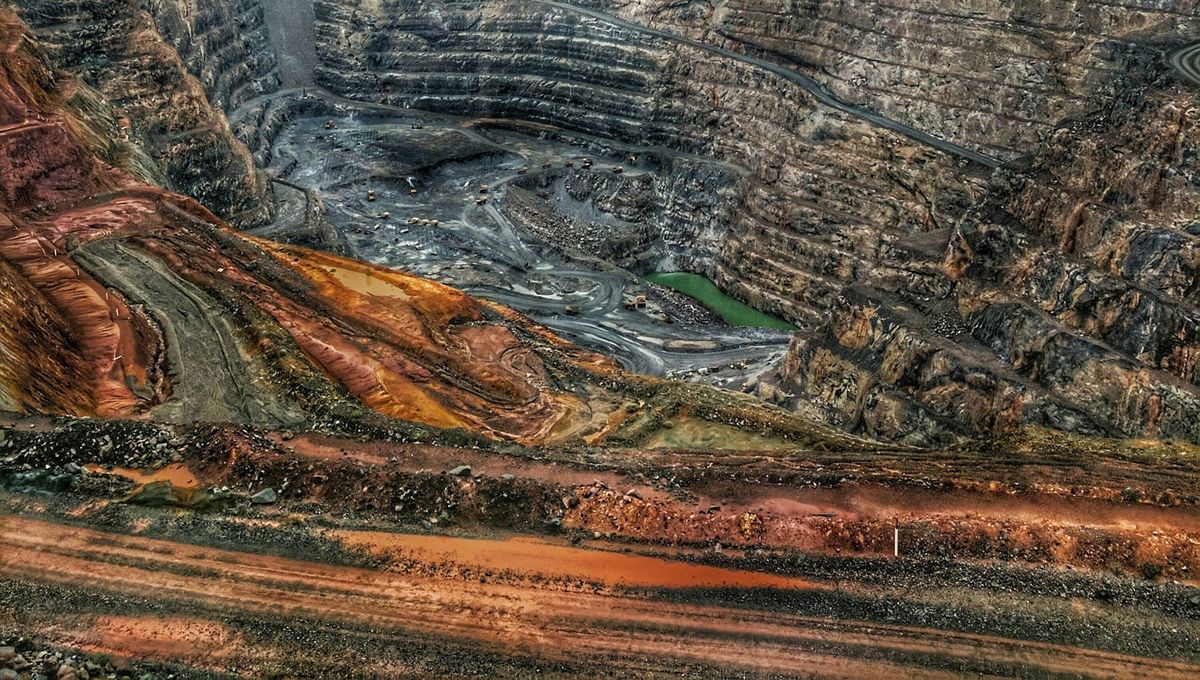
Source: France 24 - 2026/06/22 https://www.france24.com/en/business/20260622-china-sanctions-us-tech-giants-weeks-after-pentagon-blacklisted-chinese-firms
China has imposed sanctions on U.S. companies that include, on the one hand, a ban on the export of "dual-use" items (with potential military and civilian applications) from Chinese firms to specific military drone manufacturers and rare-earth mining companies—such as AVEOX, Red Cat Holdings, Teal Drones, IMSAR, Jaia Robotics, Ball Aerospace, Oshkosh Defense, L3Harris Maritime Services, MP Materials, and USA Rare Earth—and, on the other, a ban on purchases by Chinese government entities of products from 46 U.S. companies, including units of Lockheed Martin, Raytheon, and General Dynamics, aiming to restrict these companies' technological and commercial access to the Chinese market.
Our essay highlights that China dominates over 70% of critical mineral processing—especially heavy rare earths, which are essential for the energy transition and the defense industry. The very recent Chinese sanctions against ten U.S. companies—including MP Materials and USA Rare Earth, two of the few rare-earth producers outside China—serve as a stark reminder of this dependency.
China does not merely export minerals; it controls the entire value chain, from extraction to processing. When Japan detained two of its citizens for an alleged attempt to smuggle rare earths, Beijing responded with military exercises in the South China Sea, signaling clearly that resource security is a matter of sovereignty.
In our essay, we argue that the window of maximum vulnerability (2025–2030) is precisely now, while the West still lacks alternatives at scale. The data confirms this: Lynas Rare Earths, the only large-scale rare-earth producer outside China, processes its ore in Malaysia rather than Australia due to cost considerations and proximity to Asian value chains. And, as the essay predicts, building an alternative will take a decade—a period during which the dependency persists.
The question is: to what extent is the West willing to pay the price—in terms of higher costs, longer timelines, and potential retaliation—to reduce this dependency?
 amorsantos