Panama Canal: A New Step in the Weaponization of Supply Chains?
Published on May 26, 2026

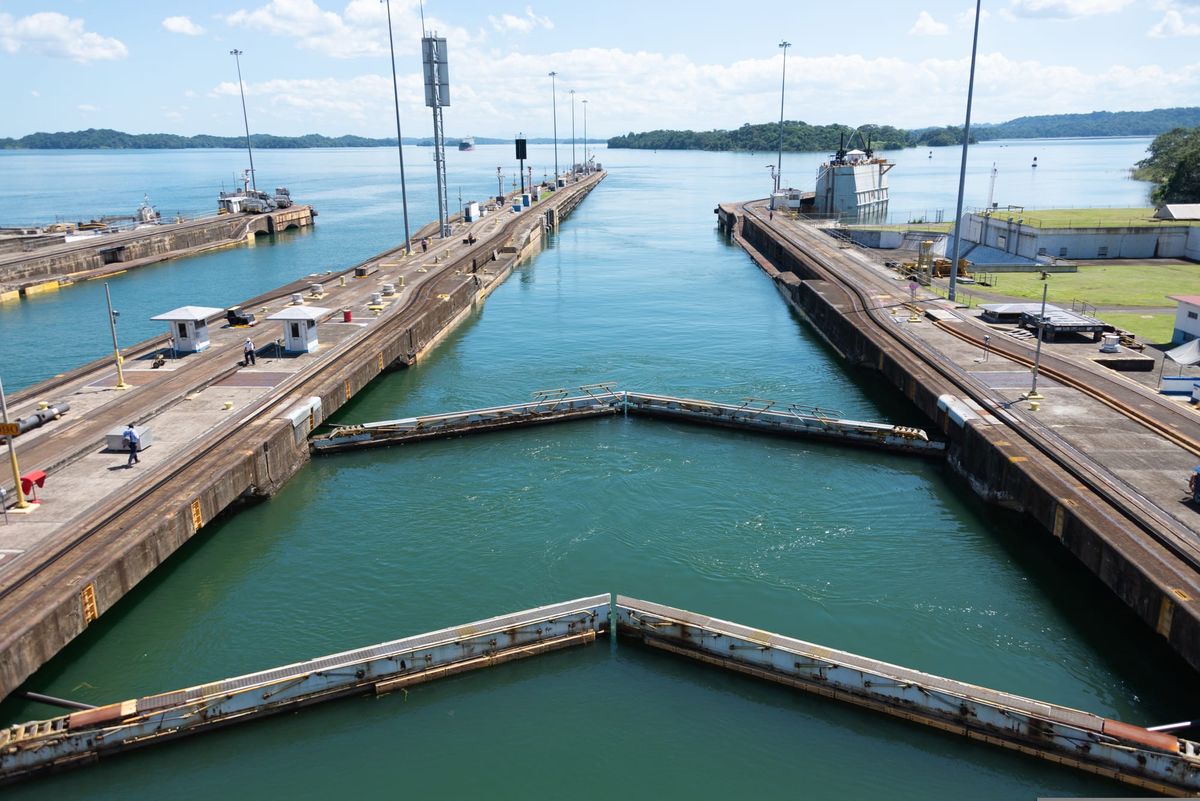
Source: South China Morning Post - 2026/05/26 https://www.scmp.com/news/china/diplomacy/article/3355065/china-warns-against-third-party-influence-panama-canal-port-dispute-simmers
In our essay, we describe how China builds nodes of logistical dependency—ports, routes, and digital infrastructure—that, once established, become irreversible. The case of the Panama Canal is yet another perfect example of this dynamic.
In April 2026, Panama assumed control of two critical canal ports that had previously been managed by a subsidiary of a Hong Kong conglomerate. China’s reaction was immediate: the detention of Panamanian-flagged ships and accusations of "bullying" by the US, which, in turn, accused Beijing of violating Panama's sovereignty. The appointment of Ilya Espino de Marotta to lead the canal—the first woman to hold the position—comes amidst acute geopolitical tension, with Panama caught between two giants.
Our essay argues that modern suzerainty does not require military occupation, but rather control over strategic nodes. The Panama Canal, through which 5% of global maritime trade passes, is precisely such a node. China does not need to invade Panama to control it; it suffices for the country to depend on Chinese credit, technology, or trade routes. And, as the essay predicts, once this "lock-in" is created, reversing the situation becomes nearly impossible.
The question remains: to what extent can Panama—or any other country in a similar position—maintain its autonomy in a world where superpowers compete for control over logistical bottlenecks?
 amorsantos